Adult and child ski helmets


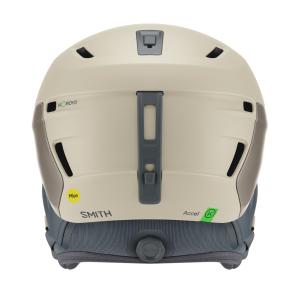
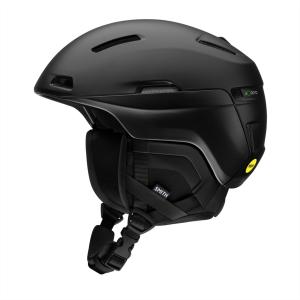
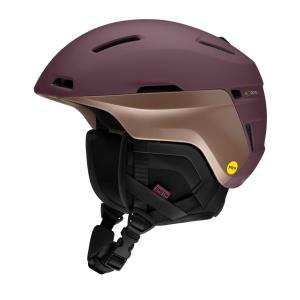
Before choosing a ski helmet, measure your head circumference just above your eyebrows: this measurement determines the size. Here you will find helmets for adults and children, with or without a visor, for both the slopes and ski touring, as well as covers for storing them.
Finding the right size of helmet
The size is determined by measuring the head circumference with a soft tape measure at the forehead level. Once the helmet is on, it should neither move when you shake your head nor press too tightly on your temples. Most models have a dial at the back to fine-tune the fit. Be sure to try it on with your thin beanie or balaclava if you wear one underneath.
Visor helmet or separate helmet and mask
The visor helmet includes a screen that drops down in front of the eyes: handy for glasses wearers, and no need to match a mask with your helmet. The duo helmet and mask offers more screen choices and can be replaced piece by piece. In this case, check that the top of the mask sits snugly against the helmet, without leaving the forehead exposed.
The helmet for first descents
For a child, a helmet is essential from the first glides. Choose one that fits their current size, without relying on room for growth: if it's too big, it offers less protection. Junior models are often lighter and come in bright colours that help spot the child on the slope.
Helmet manufacturers available
POC and Sweet Protection offer helmets for the slopes. Head provides adult helmets like the Radar or the Compact and child models like the Mojo or the Maja. Cairn offers helmets with built-in visors, including the Android Visor. Vola and Smith complete the selection.
Head accessories and low prices
A helmet rarely goes solo. Pair it with a ski mask, a balaclava, or a neck warmer to block out the cold. For the resort, beanies and headbands take over. End-of-line helmets are on winter sports clearance.
Maintaining your helmet from season to season
A well-maintained helmet keeps its comfort longer. After each day of use, let it air dry, with the padding removed if it's detachable, and never against a radiator. Clean the shell with lukewarm water, avoiding solvents that could damage it. Off-season, store it in its bag, away from light and heat, and check the straps and buckle before heading out again. Compressed padding, a dial that no longer tightens, or a buckle that doesn’t close well are signs that it’s time to replace it.
Frequently asked questions
How can I tell if a ski helmet is too big?
If it slips forward or sideways when you move your head, even with the dial tightened, it’s too big. Go for the size below.
Can you wear prescription glasses under a visor helmet?
Yes, that’s actually one of its advantages: the visor sits in front of the glasses. Just check that the frame doesn’t touch the screen.
Should you change your helmet after a fall?
After a significant impact, yes, even if there are no visible marks: the shell may have lost its ability to absorb shocks. Compare models at ski helmets.
What mask should you choose with your helmet?
A mask whose strap holds on the back of the helmet and whose top fits the visor. Models are available at ski masks.
Where can I find a cheap ski helmet?
End-of-season helmets are collected at winter sports sales during the discount period.