Ski masks and replacement lenses


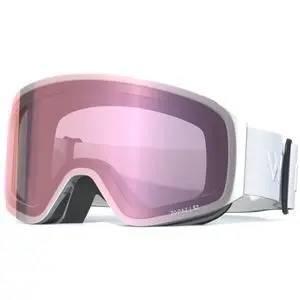

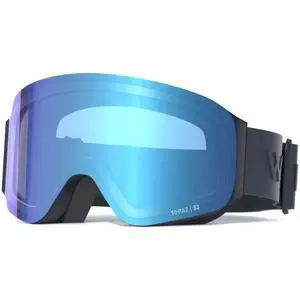
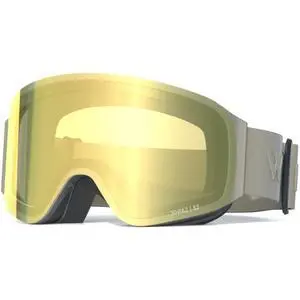
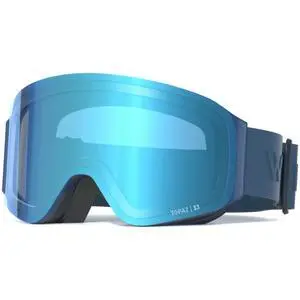
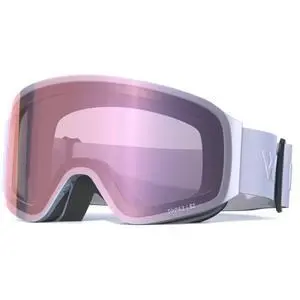
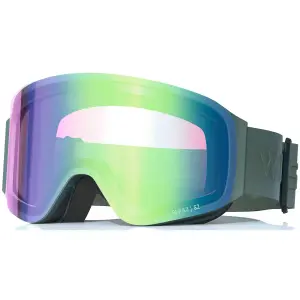


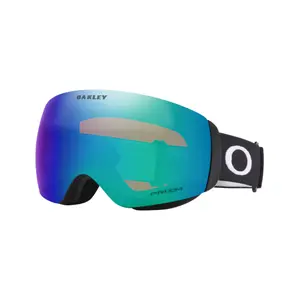
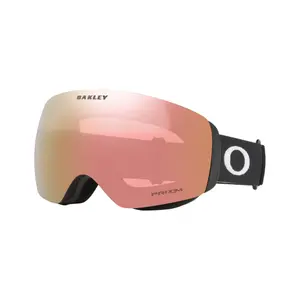
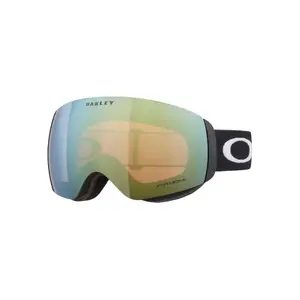
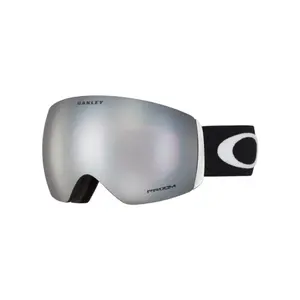
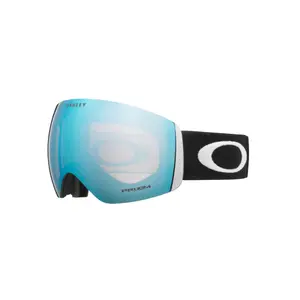
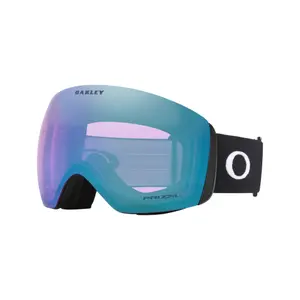
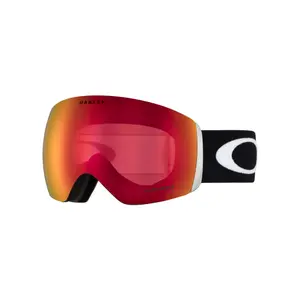
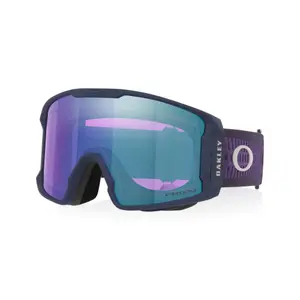
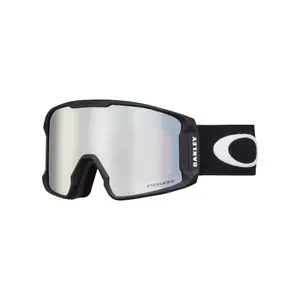
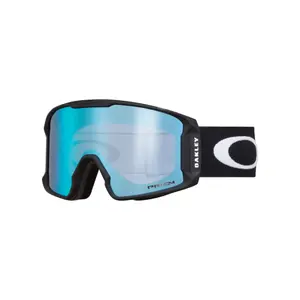
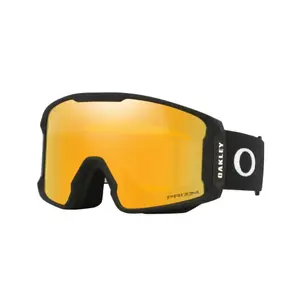
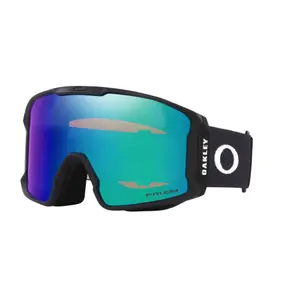
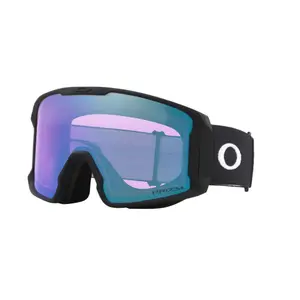
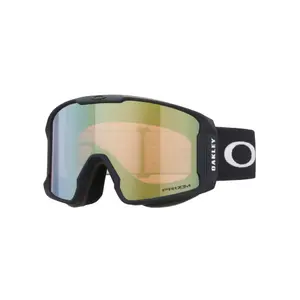
Bright sun in the morning, white sky in the afternoon: how to keep a clear vision all day on the slopes? The ski goggles on this page are chosen based on the light conditions and the shape of your face, and replacement lenses allow you to adjust the same goggles to the day's conditions.
Choosing the shade of your goggles for the light
The shade should be chosen based on the weather you encounter most often. On bright sunny days, a dark or mirrored lens reduces glare on the snow. On overcast days or in the snow, a light, yellow, or pink lens helps highlight the contours of the slope. If you ski in all conditions, interchangeable lens goggles prevent you from having to buy two sets.
Goggles, lenses and replacement covers
A scratched lens hampers visibility long before the goggles wear out. Many models accept a spare lens or goggle, to be selected with the exact model reference. A microfiber cover protects the lens in the bag and can also be used to wipe it without scratching. Never rub the wet interior: let it air dry.
Wearing goggles over prescription glasses
OTG marked goggles are designed to be worn over prescription glasses, with a larger volume inside and notches for the arms. Try them on with your own glasses: the frame shouldn't touch the lens, otherwise, fogging will occur quickly.
The brands of goggles on the page
Head offers goggles like the Neves, the Contex, or the Sentinel, along with replacement lenses for several of its models. Redbull Spect Eyewear and POC, featuring the Retina, are also well represented. Vola, Dragon, and Aphex complete the selection, with Dragon and Aphex also offering replacement lenses.
Completing head protection
Goggles should be chosen with your helmet, ensuring that both fit well together. On nice days, sunglasses are enough for a stroll, and a neck gaiter protects the lower part of the face. End-of-line goggles are available on winter sports clearance and winter sports sales.
Storing and transporting your goggles
Goggles get damaged more often in the bag than on the slope. Always slide them into their cover before storing, and avoid placing them flat on the lens. Don't leave them behind a car's windscreen in full sun, as the heat can warp the frame. If the lens is wet, gently pat it dry with the cover instead of rubbing it. When the foam around the face starts to peel off or the strap loses its elasticity, it’s time to think about replacing them.
Frequently asked questions
How to prevent fogging in ski goggles?
Don't pull them up on your forehead when you sweat, allow air to flow through the vents, and don’t rub the inside of the lens.
What lens shade is best for overcast days?
A light, yellow, or pink lens that lets in more light and enhances contrasts on flat snow.
Can an adult goggle fit a teen?
Only if it covers the face well without pressing on the nose. For younger ones, junior goggles are better suited for their face size.
How to change the lens of your goggles?
Buy the lens that corresponds to the exact reference of your goggles, then clip it or magnetize it according to the system provided by the brand.
Where to find affordable ski goggles?
Goggles and lenses at discounted prices are available during the sales on winter sports sales.