Mid Shoes
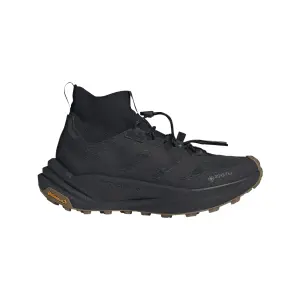
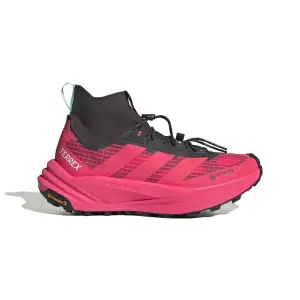
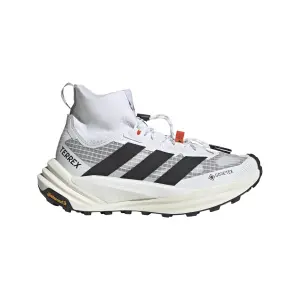

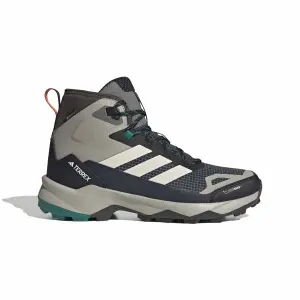

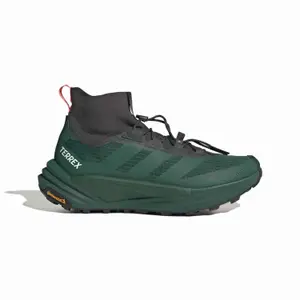
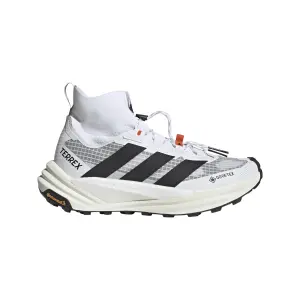
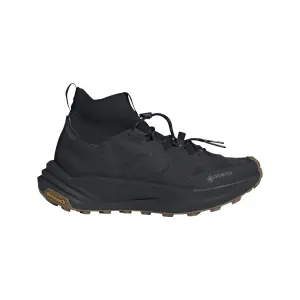
Starting at €220.00
€156.72

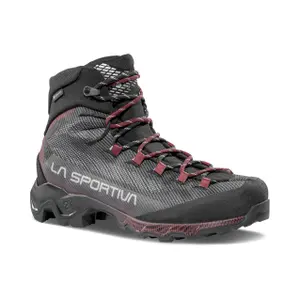


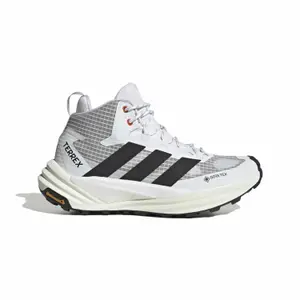
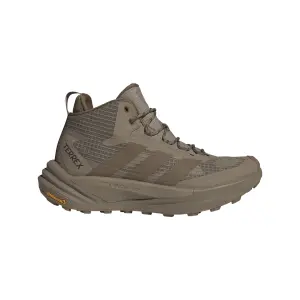
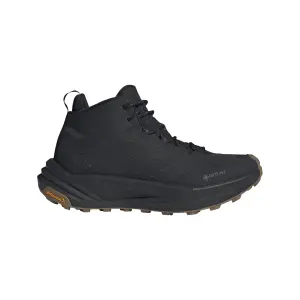


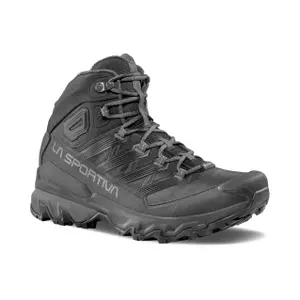
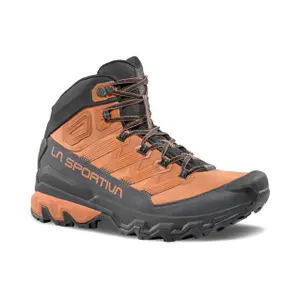
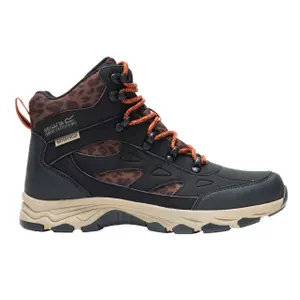
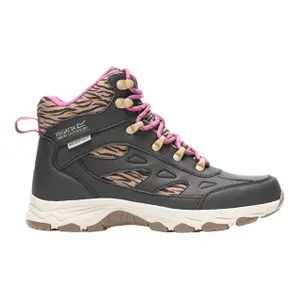


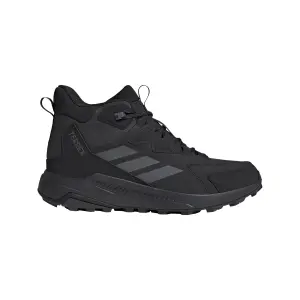
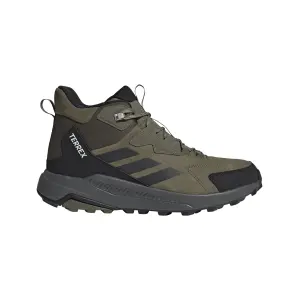
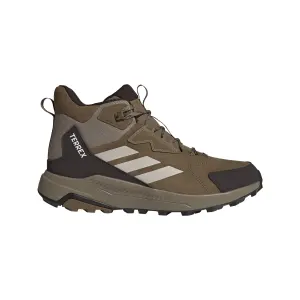
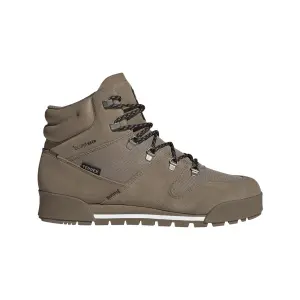
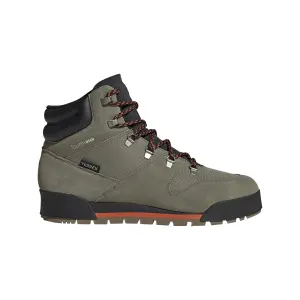


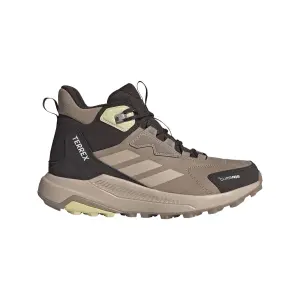


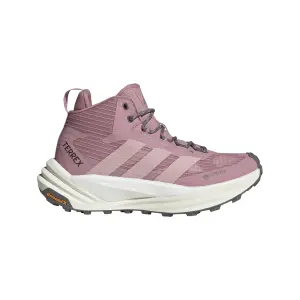
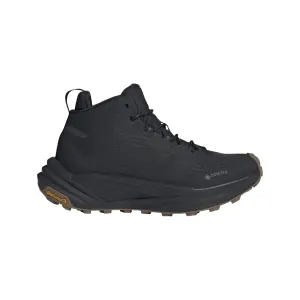
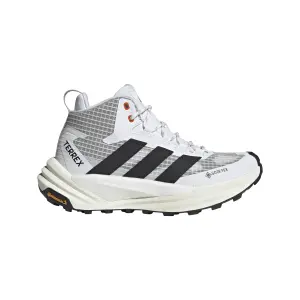
Between the very flexible low shaft and the very protective high shaft, the mid-height offers a compromise appreciated by many hikers. It covers the ankle, maintains flexibility, and is suitable for outings that mix easy paths, roots, and rocky sections.
The mid-height compromise
The mid-height shaft rises just above the ankle. It protects the bone from knocks against stones and branches, and limits twisting a bit, without locking the ankle's flexion. It remains lighter than a high shaft and requires less breaking in. It's often the go-to pair for those walking in varied conditions, from forests to moderate mountains, without wanting to change shoes for each outing.
What activities are suitable for a mid shoe
It is suited for day hikes with a medium backpack, on trails that alternate between steep climbs and flat sections, on wet paths where a higher shaft keeps the foot dry. Many models are available in waterproof versions, which are useful in spring and autumn. For heavy multi-day treks or scree, a high shaft is more reassuring.
Mid brands to know
adidas offers its Terrex range in mid height, Regatta has models for family hiking, La Sportiva makes shoes for mountain trails, CMP and Whistler have pairs for everyday outings, and Salewa offers models designed for alpine terrain.
Changing height or model
For lighter options, compare with low shoes. For more support, switch to high shoes. The pages men's shoes, women's shoes, and children's shoes sort by audience. Sandals and walking shoes complete the offer, gathered on the hiking shoes page.
A budget-friendly mid pair
During the event, the Black Friday shoes page features discounted models. The rest of the year, old collections go to hiking clearance, and markdowns arrive with the hiking sales.
Wearing them well from the first outings
A mid requires little breaking in, but a few precautions can enhance comfort. Lace them tightly over the instep, then adjust the top of the shaft: firmer on descents to hold the ankle, softer on ascents to allow the joint to flex. Pair them with medium-height socks that extend above the shaft to prevent rubbing on the ankle. For the first outings, choose a known route to identify any pressure points. In warm weather, a thin, breathable sock offsets the heat from a waterproof version.
Frequently asked questions
Does a mid shoe protect against sprains?
It limits twisting a bit and protects the ankle, but doesn't replace careful foot placement. On very rough terrain, a high shaft provides better support.
Mid or low for day hiking?
The low is lighter on flat trails, while the mid is more reassuring as the path becomes rocky or wet.
Is a mid shoe suitable for a heavy pack?
For a medium load, yes. For a trek with a lot of gear, a high shaft offers better ankle support.
Should I get a waterproof version?
If you often walk in the rain, on wet grass or at altitude, it's real comfort. For a dry summer, a breathable model stays cooler.
Where can I find cheap mid hiking shoes?
In the hiking sales and, during the event, on the Black Friday shoes page.