High Shoes
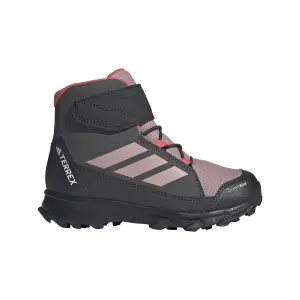
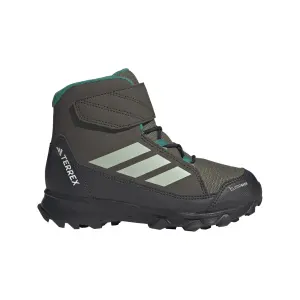
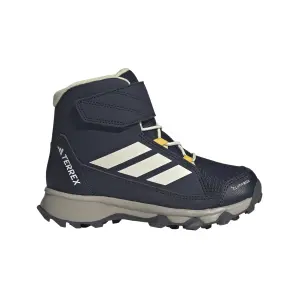


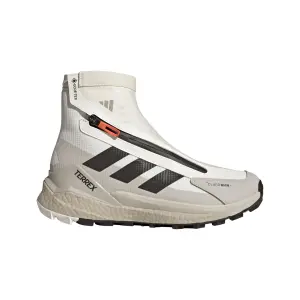


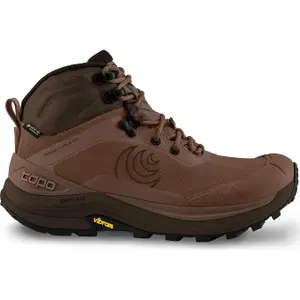


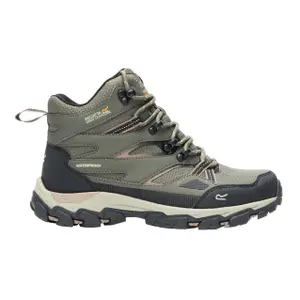


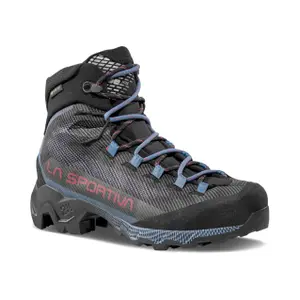


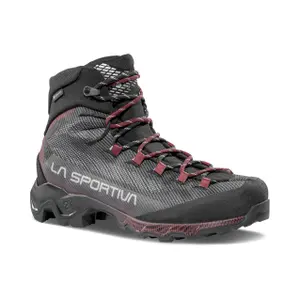


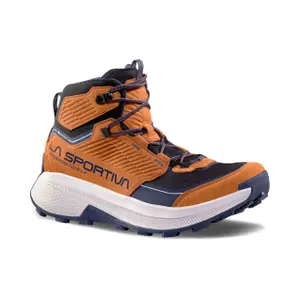
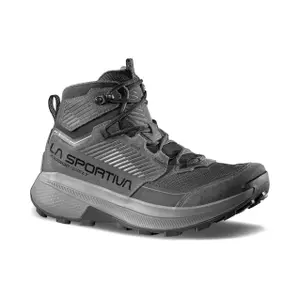
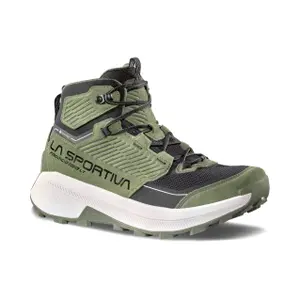


Peaks, mountain trails, season's early snow patches, trek with a bag packed: when the ground gets tough, the high shaft hugs the ankle and protects it from impacts. These shoes are designed for several days of walking and to keep the foot stable on slippery surfaces.
When the high shaft becomes useful
The high shaft makes perfect sense as soon as the load increases or the ground becomes unstable. With a trek bag on your back, every misstep weighs more on the ankle, and a high shaft reduces twisting. On scree, it also prevents stones from hitting the joint or falling into the shoe. It also offers better protection from water and snow on wet passages.
Stiff sole and breaking in before departure
A high trekking shoe often has a stiffer sole than a casual model. It tires the foot less on stones and holds better on narrow paths. Some very rigid models can take crampons: the product sheet will specify this point. This firmness requires some adjustment time. Take a few short outings before a long trek, to spot pressure points and allow the leather or fabric to adapt to your foot.
The other heights
For less demanding trails, mid shoes offer intermediate support and low shoes provide more lightness. The men's, women's, and children's pages are sorted by target audience. For casual walks or summer, check out the walking shoes and sandals, or go back to the shoes page.
Trezeta, La Sportiva and the specialists
Trezeta offers many high shafts for mountain hikes, adidas a high version of its Terrex range, Élémenterre offers affordable models for adults and juniors, and La Sportiva and Aku have shoes for high-altitude terrains and trekking.
A high shaft at a better price
A quality high shoe lasts several seasons, so it's worth finding one at the right time. During the sale, check the Black Friday shoes page. After that, the hiking clearance and hiking sales take care of end-of-line items.
Preparing for a trek with a high shaft
Before a multi-day trek, think about the combination of shoe, sock, and bag. Pack the bag as you would for departure and do a trial outing with your new pair: that's when pressure points will show up. Bring a spare sock and something to protect a hot spot. In the evening, fully loosen the laces to let your foot rest and the shoe dry. On long descents, tighten the top of the shaft so the foot doesn't slide forward and hit the toe.
Frequently Asked Questions
Is a high shoe heavier?
Generally, yes, a bit, because of the shaft and stiffer sole. This weight is justified by the support on difficult terrain.
Leather or synthetic fabric?
Leather is durable and molds to the foot over time, while synthetic dries faster and requires less breaking in.
Do you need high shoes for a trek?
With a heavy bag and varied terrains over several days, it's the safest choice for the ankle.
How to lace a high shoe?
Tighten the instep well to lock the heel in place, then adjust the top of the shaft according to the ascent or descent.
Where to find cheap high hiking shoes?
At the hiking clearance and, during the sale, on the Black Friday shoes page.