Sunglasses


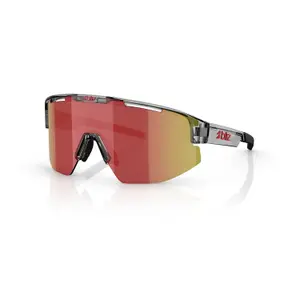
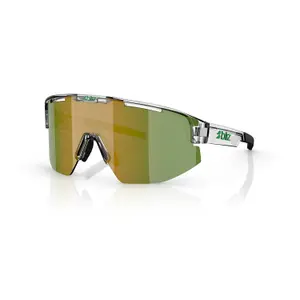
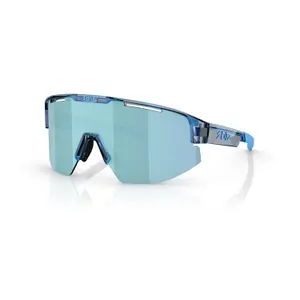
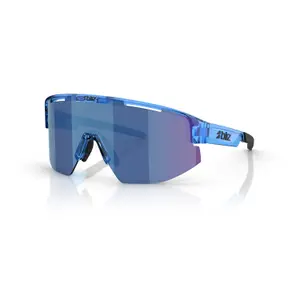
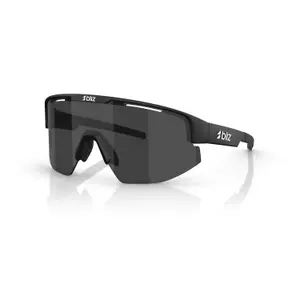
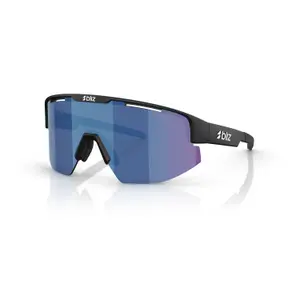
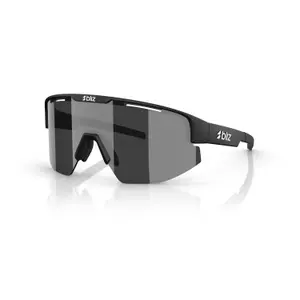
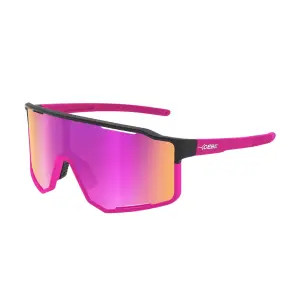
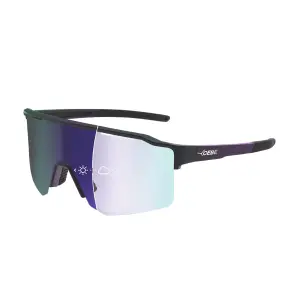
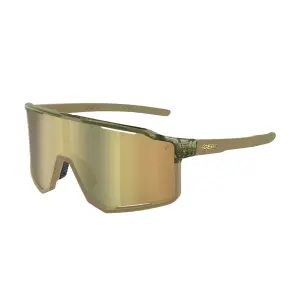
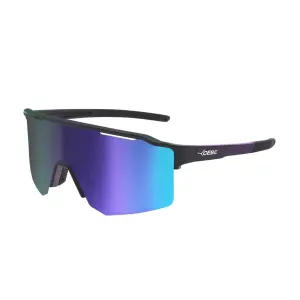
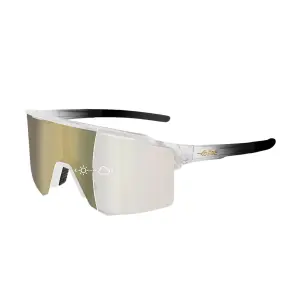
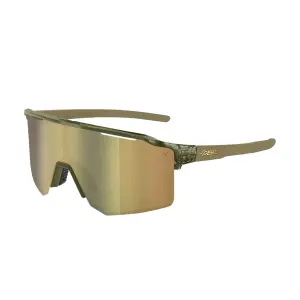
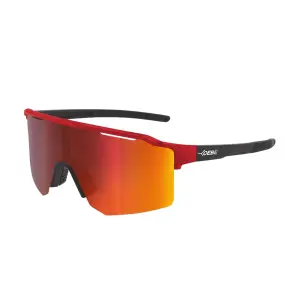
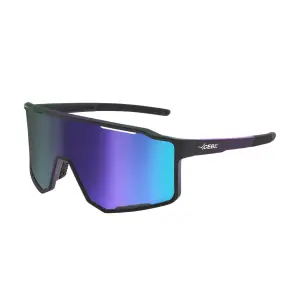
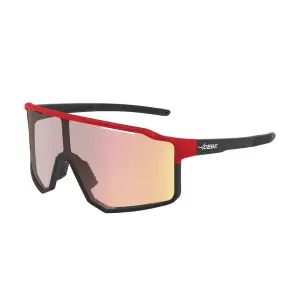


At high altitude, the light is stronger and the snow, like the rock, reflects it back towards the eyes. An appropriate pair protects against UV, reduces glare, and blocks the wind on the ridges. This page brings together adult and junior frames, polarized models, and replacement lenses for outdoor activities.
Choosing the tint and category of eyewear
Sun lenses are classified by category according to the amount of light they let through. A light category is suitable for overcast days and the forest, a dark category for bright days in the mountains, and the darkest for glaciers and snow, but it shouldn't be worn for driving. The specifications of each product indicate its category. Polarised lenses also cut out reflections from water and wet surfaces, which makes it easier on the eyes by the lake.
A frame that stays in place
When hiking, the pair must stay put when you look down at your feet or sweat during an ascent. A wraparound frame also protects from the sides, where light and wind can enter. Temples that hook behind the ear and non-slip nose pads help to limit slipping. For children, choose a junior model that fits them properly, rather than an adult pair that's too loose.
Recognised eyewear brands
Pit Viper offers wide and bold frames, AZR has versatile sports eyewear, Cairn offers models for the mountains and skiing, Alba Optics has sports glasses with large screens, and Vola provides pairs for outdoor sports.
The rest of the gear
To complete your bag, walking poles relieve knee stress, gaiters protect against snow and mud, and the hydration page offers water bottles and hydration packs. Headlamps light up early morning starts. To navigate, check out GPS and compasses and smartwatches, or visit the hiking gear page.
Discounted eyewear
For a spare pair or a junior model, check out the hiking clearance sale and the hiking sales. Ski-oriented glasses can also be found in the winter sports sales.
Spare lenses and storage
On some frames, lenses can be changed. The page offers replacement lenses to adjust the same pair for daylight: a clear lens for the forest or overcast mornings, a dark lens for bright sunshine. This is also the solution when a lens gets damaged from a fall. In the bag, always keep your glasses in their case or a microfiber pouch, and avoid placing them lenses down on a rock. A cord attached to the temples prevents losing them when you take them off to read a map.
Frequently asked questions
Which lens category is suitable for hiking in the mountains?
A dark category is suitable for most days at high altitude. For snow and glaciers, the darkest is required, as indicated on the product specs.
Are polarised lenses useful for hiking?
They cut reflections on water and wet surfaces. They are appreciated by lakes and on trails after rain.
Do children need sunglasses?
Yes, their eyes are sensitive to bright light. Choose a junior model that fits well on their face.
How can you clean your glasses without scratching the lenses?
Rinse with clear water to remove dust, then dry with a microfiber cloth, never with a dry and dirty fabric.
Where can you find cheap hiking sunglasses?
In the hiking clearance sale and the sales, across all brands.