Men's trail running shoes


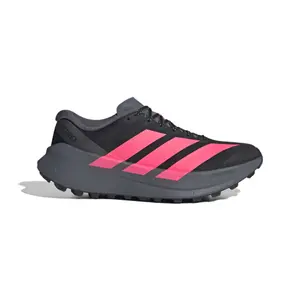
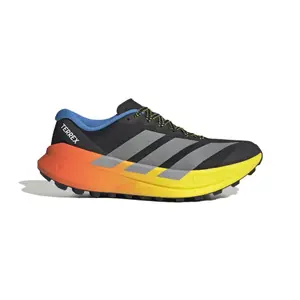
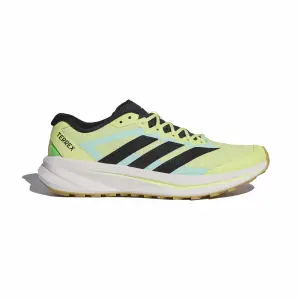


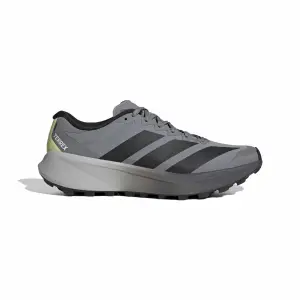


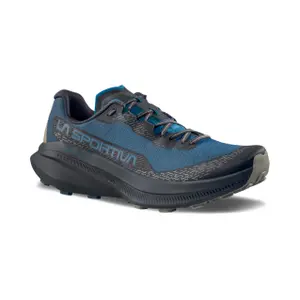
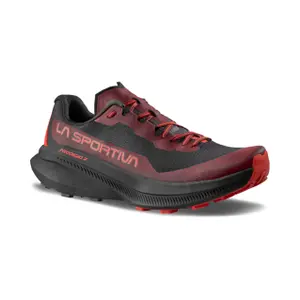
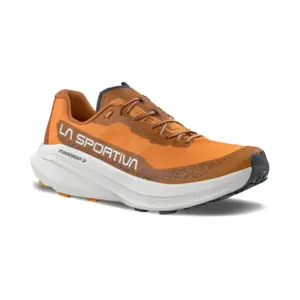
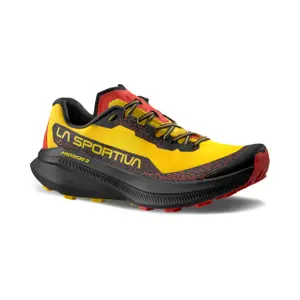
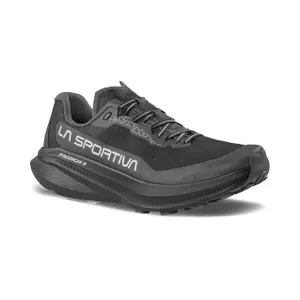


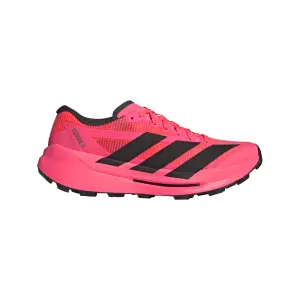


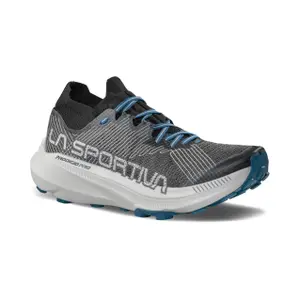
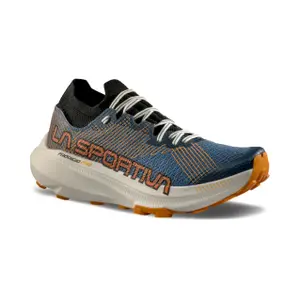


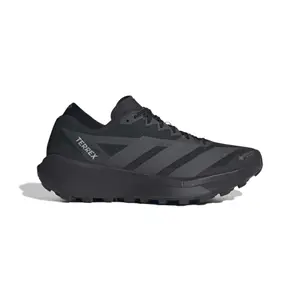

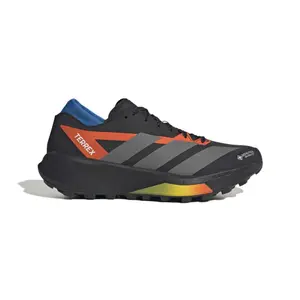
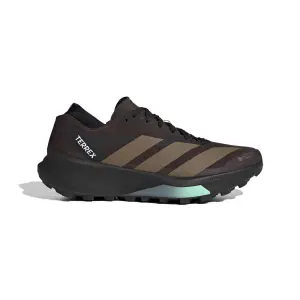
Before you choose, ask yourself a simple question: what distance do you run most often? These men's trail running shoes range from lightweight and speedy models for short distances to heavily cushioned shoes for ultra marathons, featuring grippy outsoles and filters by drop, stability, and size.
Short or ultra format: distance above all
On a short and fast trail, a lightweight, low and precise shoe allows you to push on uphill and feel the ground beneath you. Beyond a few hours of running, comfort takes precedence: thick cushioning, a snug fit without constriction, and a forefoot that allows your toes to swell make a difference towards the end of the race. In between the two, a versatile shoe covers most weekend outings. For a first trail, focus on comfort first: a well-cushioned model will forgive you more than a racing shoe.
Studs, rubber and foot protection
The sole is the identity card of a trail shoe. Short and close studs are suitable for dry paths, while long and spaced studs are better for muddy conditions. The rubber is just as important: the softer it is, the better it grips on wet rock, though it will wear out faster. Finally, a stone guard and reinforced upper protect your toes in rocky areas.
The brands of trail runners
adidas offers the Terrex range, including the Agravic family for varied outings. La Sportiva features models like the Prodigio, designed for long distances, and the Akasha II, cushioned and protective. Topo Athletic designs shoes with a wide forefoot and low drop. Rossignol completes the offering, Saucony supplies its Peregrine for varied terrains, and Altra offers its Lone Peak and Olympus with zero drop. Sizes go up to large sizes, with mixed models available for extra support.
Also see women's models
Female trail runners have their selection in women's trail shoes. To return to all models, visit the trail shoes page, and find clothing, poles and bags on the trail running page.
Find a cheaper men's trail shoe
During the Black Friday event, the Black Friday shoes page lists discounted models. Throughout the year, keep an eye on trail sales and trail running clearance, as well as new arrivals.
Frequently asked questions
What men's trail shoe for ultra?
A well-cushioned model, with a comfortable upper and a roomy forefoot. Test it on several long runs before race day.
Should I take a size up in trail?
Often half a size up, so your toes don’t hit in downhill running and to allow your feet to swell on long outings.
How to make a trail shoe last?
Rinse off dirt after each run, let it dry away from a heat source, and avoid wearing it on the road. Keep it for the trails, and get a road pair for the paved journeys to the trailhead.
Zero drop trail shoe: for whom?
For runners who want a more natural stride and have prepared calves. The transition should remain gradual, over several weeks.
Is a trail shoe suitable for hiking?
Yes, for fast and light hiking. To carry a heavy pack for several days, a hiking shoe provides more support.