Smartwatches for running
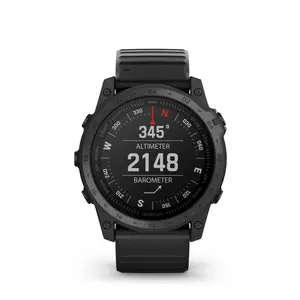
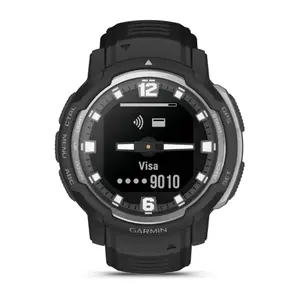


Style, distance, heart rate: what does a watch really measure when you run? These connected and GPS running watches record your sessions, help you manage your effort and, depending on the models, track your recovery, from casual runs in the neighbourhood to long outings in the mountains.
What a GPS watch changes in training
A running watch gives you your pace, distance covered, and, on most models, your heart rate in real-time. This way, you know if you're really running in endurance during a jog, or if you're maintaining the planned pace during interval training. After the session, the history allows you to track your progress and spot weeks that are too heavy. If you're training for a race, the watch also becomes a coach: many models allow you to programme your interval sessions and alert you when you stray from the desired pace or heart rate zone.
How to choose your running watch
- Battery life: the longer your outings, the more it matters, especially in trail running.
- Readability: a large, high-contrast screen is easier to read while running.
- Durability: in the mountains, a shock-resistant case is reassuring.
- Features: navigation, music, or sleep tracking depending on your needs.
- Size: several case sizes are available, to be chosen according to your wrist.
Garmin, Polar, and Watchmark
Garmin offers several families. Forerunner is the range dedicated to running, from the first training to marathon preparation. Fēnix and Enduro are aimed at long outings and outdoor activities, Instinct focuses on a robust case, and Venu or Vívoactive are suited for both sporty and everyday use. Polar also offers its sports watches, and Watchmark completes the page. The family filter separates connected watches from GPS watches, and the range filter allows you to compare models within the same family.
The other equipment for runners
Your watch goes well with a running belt to carry keys and gels, or flasks and pockets to drink without stopping. As night falls, headlamps light the way, and an armband for your phone keeps your mobile within reach. Everything can be found on the running equipment page.
A discounted running watch
The running sales and trail running sales gather seasonal discounts on runner's gear. The new arrivals showcase the models that have recently come in.
Frequently asked questions
Which Garmin watch for running?
The Forerunner range is designed for running. For trail and mountain, Fēnix, Enduro, or Instinct provide more robustness and battery life.
Is wrist heart rate reliable during running?
It gives a good trend for jogs. For intervals, a heart rate strap reacts faster to changes in intensity.
Is a connected watch enough for trail?
Yes, as long as you check its battery life and the presence of an altimeter or navigation if you venture off marked paths.
Do you need a watch with a map for running?
Not on the road. In trail or mountain, a map on your wrist helps to follow a route and find your way back.
Which size of case to choose?
A small case is easy to forget on your wrist, a large one offers a more readable screen. Compare the dimensions with your current watch before choosing.